Nobody Warns You About the Six Weeks Between Signing and Swimming
A pool build is not one project. It is eleven small ones stacked end to end, and the weather gets a vote on most of them.
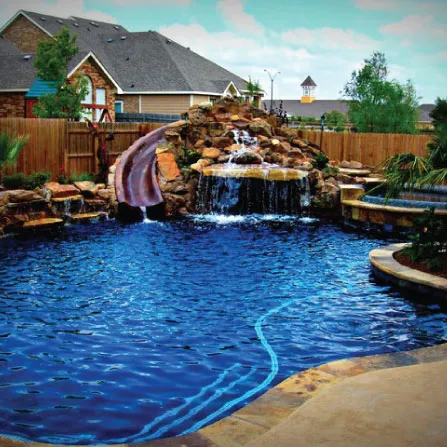
There is a specific week in every pool project when the homeowner stops being excited. It is usually the one where a muddy hole full of rebar has been sitting untouched for nine days, the yard looks like a crime scene, and nobody has returned a call. Almost every one of those weeks is avoidable, and the thing that avoids it is not a better crew. It is knowing in advance what the sequence looks like and where it is normal for the sequence to pause.
A pool build is not a single job. It is roughly eleven separate jobs performed by different specialists who have to arrive in a fixed order, with municipal inspections wedged between several of them and Houston weather holding a permanent right of veto. Once that structure is visible, the quiet weeks stop feeling like abandonment and start feeling like what they usually are, which is a crew waiting on an inspector or on the ground to dry.
Everything That Happens Before a Shovel Moves
The part of the project that determines whether the rest goes smoothly happens entirely on paper, and it takes longer than most people expect. This is the phase to be patient with, because every hour spent here saves a week later.
The survey, the soil, and the utilities
A current property survey establishes setbacks, easements, and where the property line actually is rather than where the fence is. On many Houston lots those two things are not the same. Soil conditions get evaluated, and in this region that evaluation genuinely drives the structural design. Utility locates get called so that nobody discovers a gas line with an excavator bucket.
Permits move at the speed of the jurisdiction
Greater Houston is a patchwork. The City of Houston, unincorporated Harris County, Montgomery County, and dozens of incorporated cities and municipal utility districts each run their own review process at their own pace. A homeowners association adds another layer with its own calendar. None of these can be rushed, and a builder who promises otherwise is making a promise that belongs to someone else.
Realistically, design, engineering, and approvals occupy several weeks before the first piece of equipment arrives. That window is also the last comfortable moment to change your mind about anything, so use it.
Dig Week, Which Is Always More Dramatic Than Expected
Excavation is the fastest and most shocking phase of the entire project. A crew that arrives at seven in the morning can have the shape of your pool carved into the ground by mid afternoon. It is also the day the backyard stops looking like a backyard, and homeowners consistently underestimate the emotional impact of that.
Spoil has to go somewhere, and a Houston pool generates a genuinely large volume of clay. Some of it gets used to regrade the yard and the rest gets hauled off, which means truck traffic and a temporary loss of the side yard. Access route protection matters here, because a loaded machine crossing a lawn or a driveway leaves a mark. Good crews put down protection. It is a reasonable thing to ask about beforehand.
Steel, Plumbing, and the Inspection That Stops Everything
Once the hole exists, the shell gets its skeleton. Rebar is tied into a cage that follows the engineered drawing, plumbing runs are laid for returns, skimmers, main drains, and any water features, and electrical conduit gets placed for lighting and equipment. This is the phase where the quality of the build is decided, and it is also the phase that is completely invisible once the concrete goes on.
- Steel placement and spacing should match the engineered plan, not a rule of thumb.
- Plumbing gets pressure tested before anything covers it, and that test should be documented.
- Bonding, which electrically ties the metal components together, is a safety requirement and gets inspected.
- The inspector has to sign off before gunite is scheduled, and inspectors work on their own calendar.
- A rejected inspection does not mean disaster, but it does mean the whole downstream schedule slides.
This is the most common place for a project to sit still for several days with nothing visibly happening. It is also the least worrying one, because a builder who waits for a clean inspection instead of pushing forward is doing exactly the right thing.
Gunite Day Is a Spectacle
The shell goes on in one continuous session. A truck, a hose, and a crew shooting concrete at high pressure onto the steel cage while a nozzleman carves the shape by hand. It is dusty, loud, and genuinely worth watching from a safe distance. By evening there is something in the backyard that unmistakably reads as a swimming pool.
Then it cures, and curing in this climate requires attention. The shell needs to be kept wet on a schedule for several days, which is a real task rather than a formality. Skipping it produces a weaker shell that nobody can see and everybody eventually pays for.
The Long Middle Where Progress Gets Quiet Again
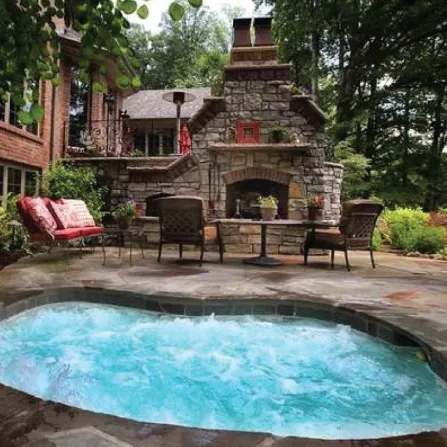
After gunite the project enters its longest stretch, and it is the least photogenic. Several trades cycle through, each doing a piece, and the backyard looks roughly the same at the end of some days as it did at the start. This is normal. It is also where the finishes that everyone will actually see get installed.
- Tile at the waterline and on any raised walls or spa spillways.
- Coping around the edge, which is both a finish and a safety detail.
- Decking, which is usually the longest single item in this phase and depends heavily on the material chosen.
- Equipment set: pump, filter, heater, automation, and the pad they all live on.
- Final electrical, including bonding, lighting, and the equipment circuit, followed by another inspection.
- Any outdoor kitchen, fire feature, or structure that was part of the design.
Decking deserves special mention because it is the item most likely to add time. Poured concrete needs cure days. Stone and paver work is slow, careful, and weather dependent. A homeowner who understands that a beautiful deck takes longer than an ordinary one tends to be a much happier homeowner in week five.
Plaster, Fill, and the Week That Feels Like Christmas
Interior finish goes on last, and it changes everything in a single day. Plaster, aggregate, or a polished finish gets applied, and then the hose goes in and does not come out until the pool is full. It has to be a continuous fill, because stopping partway leaves a permanent ring at the waterline.
Startup follows immediately. Water chemistry gets balanced carefully over the following days, brushing happens on a schedule while the new surface cures underwater, and the equipment gets dialed in. This is not a phase to hand off casually. A new interior finish is at its most vulnerable in its first month, and the habits established in that month affect how it looks for the next decade.
The walkthrough is a real event
Somebody should walk the entire system with you: how the automation works, what the valves do, how to run the heater, what the cleaning schedule looks like, and who to call. Take notes or record it on your phone. Nobody retains all of it the first time.
The Rain Math Every Houston Homeowner Should Do Up Front
Here is the honest part. Every schedule quoted in this city is a working day schedule, and Houston hands out a lot of non working days. Excavation cannot happen in saturated clay. Gunite cannot be shot into standing water. Concrete decking cannot be poured in a downpour. A single tropical system can cost a project a full week, and hurricane season overlaps the exact months everyone wants to be building.
The practical response is not to panic, it is to plan. Building through the fall and winter often produces a smoother schedule than building in late spring, and a pool finished in March is ready the moment the season starts rather than halfway through it. Ask any builder for a working day estimate and a realistic calendar estimate separately, and treat a firm promise about a specific summer weekend with healthy skepticism.
What Patience Buys You in the End
The projects that go badly in this market are almost never the ones that took longer than expected. They are the ones where somebody rushed a phase that should not have been rushed: gunite shot over a failed inspection, decking poured on ground that was not ready, plaster applied on a day it should not have been. Time pressure is the most expensive thing a homeowner can bring to a pool build.
Knowing the sequence changes the whole experience. The quiet week after steel is an inspection queue, not neglect. The week the deck sits half finished is cure time, not a crew that vanished. Understanding where the pauses live turns a stressful few months into a project you can actually enjoy watching, and the reward at the end is a backyard that will be there for twenty summers.
Let's talk about your backyard
Every lot in this city argues differently. Have us walk yours, and we will tell you honestly what it will and will not allow before you commit to anything.