The design process

We Build Your Backyard Twice

Once on screen, in enough detail that you can see the water line against the stone and the light coming off the spa at dusk. Then once for real, exactly the way you approved it.

What goes in

Three inputs, and we will not start without all three

Most pool conversations start with a shape. Ours starts with how you actually intend to live out there, because that is the thing a shape is supposed to serve. A pool built for lap swimming at six in the morning is not the pool built for eleven people on a Saturday, even when they cost the same.

  • Vision. What you picture when you look out the back door, including the parts you assume are impossible.
  • Lifestyle. Who swims, how often, at what time of day, and what the yard has to do when nobody is swimming at all.
  • Budget. The real number, early, so the design that comes back is one you can actually say yes to.

Getting honest about the third one at the start is what keeps the process calm. It is much easier to design toward a number than to negotiate a beautiful design back down to one.
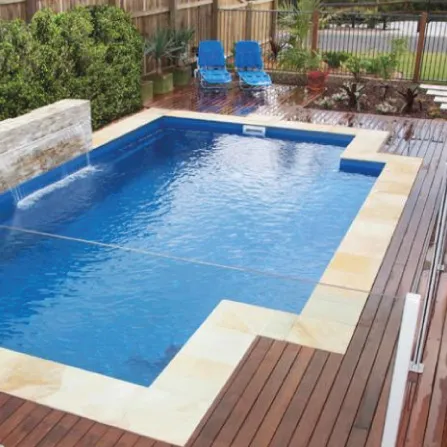
Custom designed swimming pool and patio in greater Houston
Stage by stage

From first walk to first swim

01

The site walk

We come to the property. Grade, drainage, access, sun path, sight lines from inside the house, the tree nobody is willing to lose. All of it shapes what is possible before a single line is drawn.

02

The rendering

Your finished backyard comes back in three dimensions. Move the spa. Change the coping. Try a darker interior finish. Change it back. Nothing is committed and nothing costs anything yet.

03

Engineering and permits

Soil informs the structure. Drawings go to the right jurisdiction, whichever of the many around here yours happens to be, and we handle the back and forth.

04

Build and handover

Excavation through startup, in sequence, with inspections between. At the end somebody walks the whole system with you rather than handing over a folder.

Why it matters

The expensive changes are the ones nobody saw coming

Moving a spa on a screen costs nothing. Moving it after the steel is tied costs real money and real weeks. Almost every difficult conversation in this industry traces back to a homeowner who could not picture the finished thing until it was already poured. That is the problem the rendering exists to solve.

Keep reading

Where most people go next